Making Art (A Public) Matter in Asia: The Social Intervention Aesthetics of Tintin Wulia in Hong Kong
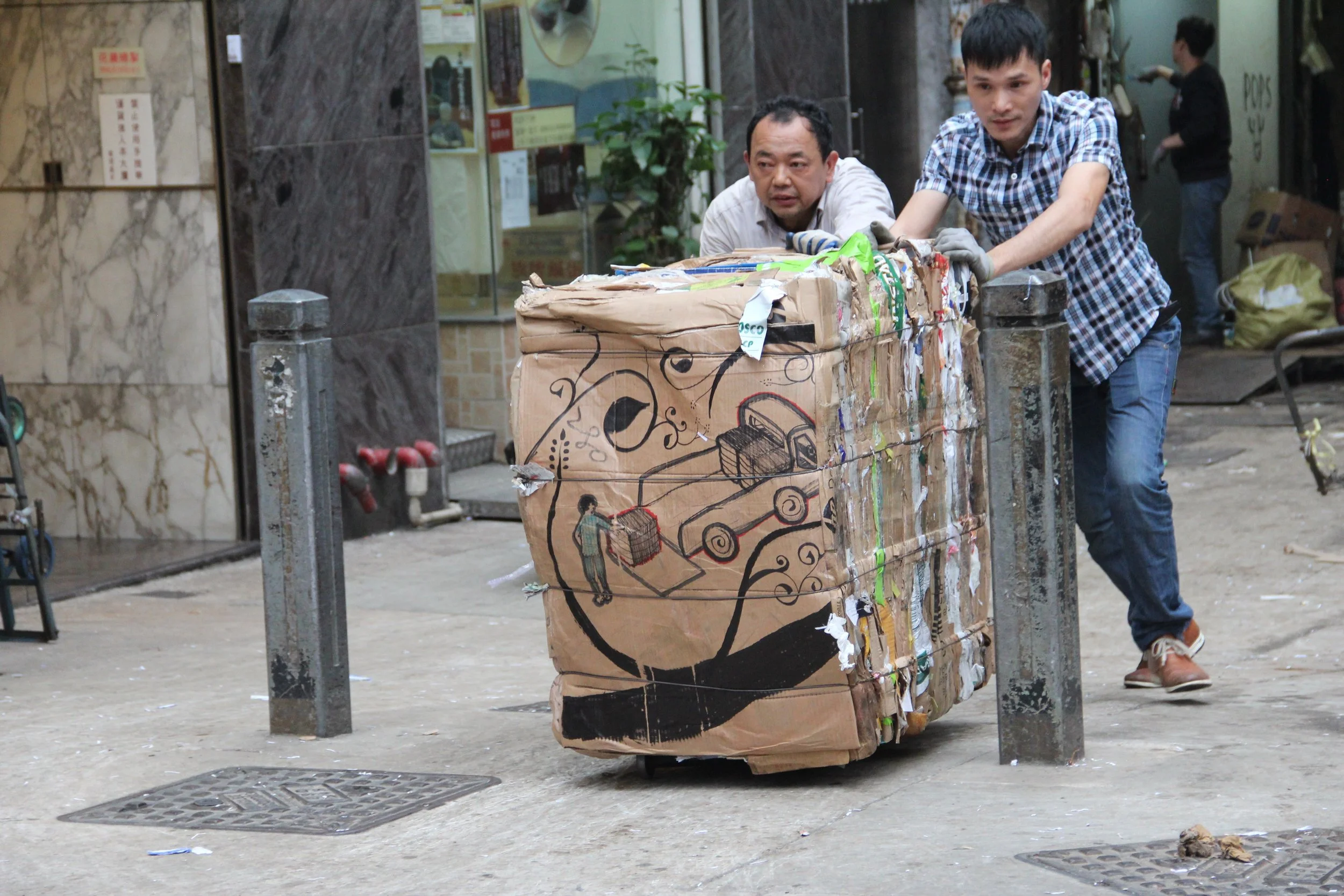
“How does contemporary art function as cultural activism in Asia today? What is the contribution of contemporary art in affecting political transformation in Asia’s public spheres? This article considers such questions in view of the intensified public visibility of contemporary art in Asia in the twenty-first century and newly defined public significance for art, artists, and art audiences in directly affecting contemporary Asian societies and their futures. One significant demonstration of this is the prevalence of contemporary Asian artists directly engaging and relating pressing socio-political issues in Asia through relational, participatory and collaborative art practices with publics, underlined by a socially transformative, activist aesthetics. This larger context forms the backdrop for my focused discussion of a multi-phase, socially-engaged contemporary art project – the ‘public interventions’ comprising Trade/Trace/Transit – initiated in Hong Kong in 2014 by the Indonesian, Brisbane-based artist Tintin Wulia. Initially manifesting as a public street art project, Trade/Trace/Transit is a series of subversive public interventions that revolves around the situation of the Filipino migrant community in Hong Kong and their participation in local and global economies of cardboard trade. Highlighting the social life of objects and their webs of socio-economic connection within and across geopolitical borders, Wulia’s interventionist “aesthetics of resistance” provokes the strategic disclosure, collision and relation of different publics in a “redistribution of the sensible” in Hong Kong, harnessing the subversive and transformative possibilities of art to renegotiate the public sphere under the imbalanced conditions of globalisation."
For the full research article visit Public Art Dialogue, Volume 8, Issue number 2, 2018, pp. 258-289.